
led beauty mirror
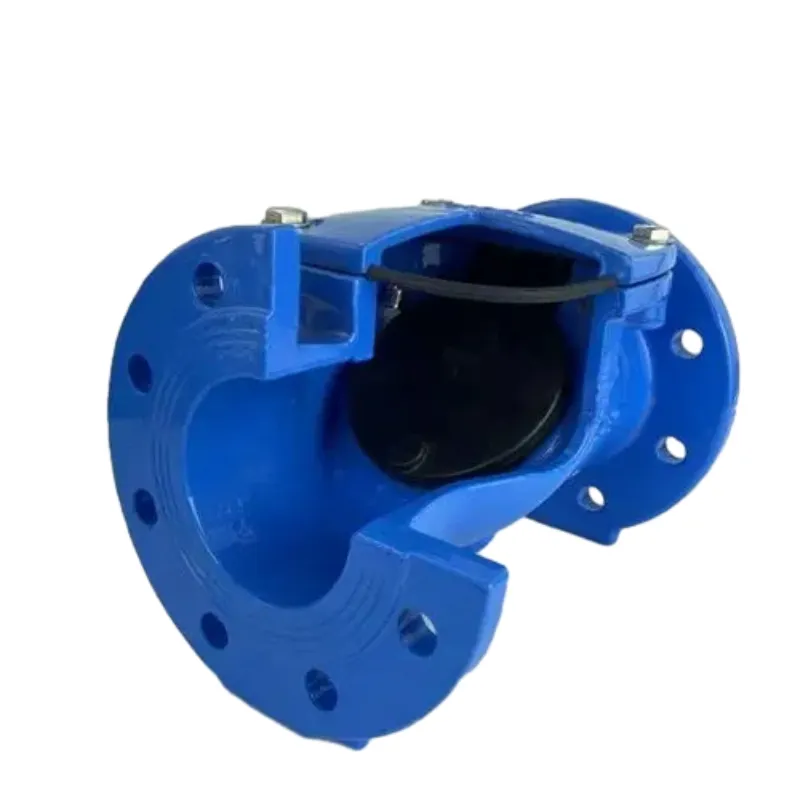
One way water valves, often discussed in the context of plumbing systems, play a critical role in maintaining the functionality and safety of water systems by ensuring that water flows in a single direction, preventing backflow. Backflow can lead to contamination, system inefficiencies, and increased maintenance costs, especially in complex plumbing arrangements. In practical scenarios, the experience of installing and maintaining one way water valves highlights their essentiality. Homeowners and plumbing professionals alike have observed the drastic improvements in system reliability once these valves are integrated. For instance, imagine a scenario in which a residential building's water supply is suddenly compromised due to backflow, causing pollution of clean water with contaminants. In such situations, a well-functioning one way water valve acts as a safeguard, preventing potential health hazards and costly repairs. From an expertise standpoint, selecting the appropriate one way water valve requires understanding specific factors such as pipe size, pressure requirements, and water quality. Professional plumbers recommend using one way valves made from materials suitable for the application environment—common choices include brass, stainless steel, or high-grade plastic. Each material offers unique advantages stainless steel provides excellent corrosion resistance, while brass offers cost-effective durability, and certain plastics can provide flexibility with chemical resistance. Furthermore, installation technique significantly influences the valve's performance . Ensuring the valve is properly aligned is crucial; misalignment could cause the valve to malfunction, defeating its purpose. Regular maintenance checks, as part of a comprehensive plumbing management strategy, also enhance longevity and performance. Such practices demonstrate authority and professionalism, reassuring clients about the system's robustness. one way water valve The authoritativeness of using one way water valves extensively is documented in industry standards and practices. These valves are backed by plumbing codes that specify their placement, ensuring that any installation meets safety and quality benchmarks. Plumbers and engineers trained in up-to-date plumbing standards recognize the integration of one way water valves as a best-practice technique for enhancing system resilience and reliability. For regulatory compliance, valves must often meet specific certifications, such as those set by ANSI (American National Standards Institute) or similar organizations worldwide. Trustworthiness in one way water valves stems from their ability to consistently prevent backflow under varying conditions. The assurance these valves provide means engineers and homeowners can trust their systems to work flawlessly, even in high-pressure environments. Testimonials from satisfied users underline the peace of mind afforded by these devices, reflecting positively on the trust placed in professionals recommending their use. To summarize, one way water valves are indispensable in modern plumbing, backed by extensive expertise, industry authority, and demonstrated trustworthiness. Their proper implementation guards against potential system failures and ensures water quality is preserved, protecting human health and property. Professionals advocating for their use not only showcase a commitment to quality and safety but also reinforce their reputation as experts in the field.
about
led beauty mirror
The Steel Ring Gauge An Essential Tool in Precision Measurement In the realm of engineering and manufacturing, precision is paramount. Every component produced must meet stringent specifications to ensure functionality, safety, and longevity. One of the essential tools that engineers and machinists rely on for this purpose is the steel ring gauge. This specialized instrument plays a crucial role in determining the accuracy and quality of manufactured parts. What is a Steel Ring Gauge? A steel ring gauge, also known as a ring gauge or simply a ring, is a cylindrical tool made of high-quality steel, designed to measure the external diameters of manufactured components. Ring gauges come in two primary forms go and no-go gauges. The go gauge has a specified dimension that the part must meet or fall within, while the no-go gauge serves as a check to ensure that the part does not exceed a certain dimension. Together, these gauges form a basis for confirming the dimensional accuracy of cylindrical parts. The Importance of Steel Ring Gauges The significance of steel ring gauges cannot be overstated. In industries that involve mass production, even the slightest deviation from specified dimensions can lead to catastrophic failures, increased costs, and safety hazards. For example, in the automotive industry, precision in manufacturing engine parts is critical. A slight imperfection can result in engine failure, leading to potentially dangerous situations for drivers. Therefore, ensuring that every part meets the necessary standards is essential, and that is where steel ring gauges come into play. Material and Construction The choice of material for ring gauges is fundamental to their performance. Steel is preferred due to its durability, resistance to wear, and ability to maintain dimensional stability under various conditions. Ring gauges are often heat-treated and ground to achieve the necessary hardness and accuracy. Furthermore, they are typically finished with a protective coating to prevent rust and corrosion, which could affect their precision over time. steel ring gauge Applications Across Industries Steel ring gauges are employed in a wide range of industries—from aerospace and automotive to tool-making and manufacturing. In the aerospace sector, for example, components require extreme precision to ensure the safety and effectiveness of aircraft systems. Similarly, in the oil and gas industry, where mechanical parts must withstand harsh environments, the reliability of these components is frequently validated using steel ring gauges. Advantages of Using Steel Ring Gauges One of the primary advantages of using steel ring gauges is their ability to provide immediate feedback on the dimensional accuracy of a part. This rapid verification process helps in maintaining quality control throughout the manufacturing process. Additionally, because ring gauges are reusable, they offer a cost-effective solution for ensuring precision over long periods. Their design allows for easy handling and use, which further encourages consistent use in production settings. Challenges and Limitations Despite their advantages, steel ring gauges do have limitations. They can be subject to wear and tear over time, which may affect their accuracy. For this reason, routine calibrations and verifications against standard reference gauges are necessary to maintain precision. Additionally, while ring gauges are excellent for external measurements, they are not suitable for internal diameter measurements, wherein other gauges, such as internal calipers, must be used. Conclusion In conclusion, the steel ring gauge is an indispensable tool in the arsenal of engineers and manufacturers. Its ability to ensure precision in measuring external diameters significantly contributes to the quality and safety of a multitude of products across various industries. As technology continues to advance, the design and application of steel ring gauges are likely to evolve, but their core function as vital instruments for precision measurement will always remain. Ensuring quality through the use of ring gauges not only helps in reducing waste but also enhances the overall efficiency of manufacturing processes, thereby reinforcing their importance in modern industry.
-

High quality industrial productsagement

High quality industrial products
View Details -

Meet the diverse needs of customers

Meet the diverse needs of customers
View Details -

Strict quality control

Strict quality control
View Details -

Top raw materials

Top raw materials
View Details -

Trusted supplier

Trusted supplier
View Details
Our application
news and information
Valve check for preventing backflow in fluid systems an essential component.
A backcheck valve, also known as a non-return valve or check valve, is a crucial component in many i
Viertelzoll-Klappenventil mit 4 Zoll Durchmesser für industrielle Anwendungen
4 Zoll Messerabsperrventil Eine wichtige Komponente in der Industrie Das 4 Zoll Messerabsperrventil
valve china
Valve Corporation, a name synonymous with gaming excellence and innovation, has strategically establ
 English